El Niño 2026: What Coastal Orange County Homeowners Should Do Now
.jpg)
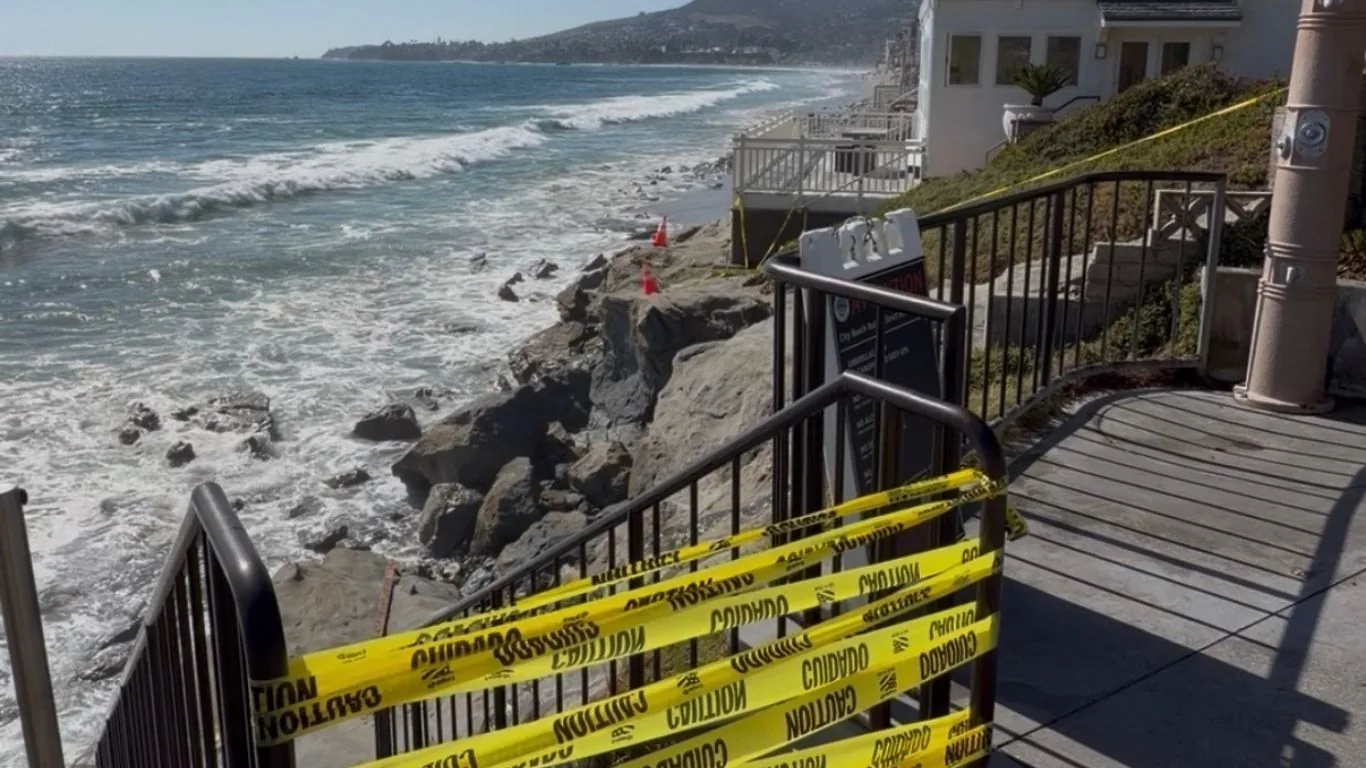
This winter's El Niño is already in place, and NOAA gives it an 83% chance of being the strongest on record for October through December. For coastal Orange County homeowners, the window to prepare is now: flood policies usually take 30 days to start, the riskiest days are the king tides around Thanksgiving, Christmas and late January, and Hurricane Marie has already left homes red-tagged in Dana Point and yellow-tagged in Laguna Beach.
Is El Niño happening in 2026?
Yes. NOAA's Climate Prediction Center has had an El Niño Advisory in effect since June. Its October 8 update says El Niño keeps strengthening and puts the chance of a historic event, stronger than any since 1950, at 83% for October through December. NOAA's October 15 winter outlook favors wetter-than-normal conditions across the southern U.S., including California, from December through February.
El Niño is a climate pattern, not a single storm. Warmer water in the eastern Pacific shifts the jet stream and the storm track, and it raises sea levels along our coast, so tides and waves start from a higher baseline.
What has it already done to the Orange County coast?
More than most people expected before winter even started. Swells from Hurricane Marie hit in early September. In Laguna Beach, six oceanfront homes on Ocean Way and Lagunita Drive were yellow-tagged over compromised seawalls, and part of the Aliso Beach parking lot failed. On Beach Road in Capistrano Beach, Dana Point had red-tagged 10 homes and yellow-tagged seven by September 14, and owners installed emergency rock revetment under Coastal Commission emergency permits.
Laguna Beach, Dana Point and San Clemente each declared local emergencies. Orange County proclaimed its own on September 17, and Governor Newsom declared a statewide El Niño emergency on September 21.
"Most of us have never seen this much sand leave our beaches at once." | Dave Kiff, Laguna Beach City Manager
Why do the same kinds of damage keep happening?
Because the coastline moves, and the worst storms are the ones that land on the highest tides. The very strong El Niño winters of 1982-83 and 1997-98 both did serious damage here. In 1983, storms wrecked the Huntington Beach and Seal Beach piers. In December 1997, mud flowed through the streets of Laguna Beach, and in March 1998 a saturated hillside in Laguna Niguel slid about a foot a day and destroyed several homes.
Even 2015-16, which didn't bring above-average rain, produced extreme waves about 50% larger than usual and beach erosion 76% above normal. Scripps researcher Daniel Cayan has said Southern California has mostly avoided big storms arriving on the highest tides since 1983, and that this winter's king tides will be critical.
Does homeowners insurance cover El Niño flooding?
No. Standard California homeowners policies exclude flood, mudflow and earth movement, according to the California Department of Insurance. Flood coverage is a separate policy through FEMA's National Flood Insurance Program or a private carrier, and NFIP policies usually take 30 days to take effect. Even flood policies exclude earth movement like landslides, which is a separate (DIC) policy. You can ask your insurer for a full copy of your policy and endorsements, and in California they have 30 days to provide it free.
Can I put sandbags or rock in front of my oceanfront home?
Talk to the Coastal Commission first. Sandbags, sand tubes or rock at the base of a bluff or seawall can require a permit. The Governor's September 21 order directs the Commission to flag incomplete applications within five days and act on urgent emergency permits within 24 hours. Emergency work is meant to be temporary, so ask what a longer-term solution would require.
What does it mean for coastal home values?
So far, storm season hasn't dented prices. In September, Redfin's median sale price was $3,848,167 in Newport Beach (up 13.2% year over year) and $3,285,935 in Laguna Beach (up 17.4%). Dana Point's median was $2,099,000 (up 16.6%), and San Clemente's was $1,799,143 (up 4.0%), with homes selling in a median of 34 days.
That fits what I see on the ground. Coastal Orange County prices are mostly land and location, and buyers keep paying for them. What changes in a winter like this is the diligence: what protects the property, what it costs to insure, and what the seller can document.
What I tell coastal Orange County buyers and owners
- Buy flood coverage now. With a 30-day wait on most NFIP policies, a policy bought in late October is active before the Thanksgiving king tides.
- Know your flood zone, but don't stop there. Look up your address on FEMA's Flood Map Service Center, and remember that a lot of flood claims come from outside high-risk zones.
- Inspect seawalls, revetments and drainage now and after every storm. Cracks, missing material, exposed rebar and clogged drains are reasons to call an engineer.
- Owners: build a storm file. Insurance declarations, your flood policy, engineering reports, permits and dated photos. If you sell in the next year, buyers will ask, and any storm damage or repair needs to be disclosed.
- Buyers: get insurance quotes during your inspection period. On oceanfront and bluff homes, ask for the seawall's history and whether any armoring went in under an emergency permit.
- Price and insure to your street, not your city. Beach Road and a ridge in Top of the World face completely different risks.
Frequently Asked Questions
Is El Niño happening in 2026?
Yes. NOAA has had an El Niño Advisory in effect since June 2026, and its October 8 update gives an 83% chance that October through December will be the strongest El Niño since records began in 1950.
Does homeowners insurance cover flooding in California?
No. Standard California homeowners policies exclude flood, mudflow and earth movement. Flood coverage requires a separate policy, and NFIP policies usually take 30 days to start.
When is the highest coastal flood risk this winter?
During king tides, expected around Thanksgiving, Christmas and late January, especially if a storm or large swell arrives at the same time.
Do I need a permit to protect my oceanfront home?
Often, yes. Contact the California Coastal Commission before placing sandbags, sand tubes or rock on the beach. Under the September 21 state emergency order, urgent emergency permits must be acted on within 24 hours.
Are coastal Orange County home prices falling because of erosion?
Not so far. Redfin's September 2026 medians were up year over year in Newport Beach, Laguna Beach, Dana Point and San Clemente.
The Bottom Line
El Niño winters don't change what coastal Orange County is worth. They show which properties were prepared. The owners who buy flood coverage now, keep their seawalls and drains maintained, and document everything will be in a stronger position this winter and whenever they sell.
Get a Free Property Analysis
Clay Smith · BonLife Real Estate · DRE #02425337 · Laguna Beach and Coastal Orange County
This article is intended for informational purposes and does not constitute insurance, financial or legal advice. Market data referenced as of September 2026.
- NOAA Climate Prediction Center, ENSO Diagnostic Discussion (Oct 8, 2026)
- WDRB, El Niño looms large over U.S. Winter Outlook (NOAA Oct 15 outlook)
- GovTech / Los Angeles Times, Pacific Hurricanes Slam the Southern California Coast (Oct 13, 2026)
- KTLA, Laguna Beach declares local emergency as coastal erosion threatens homes
- FOX 11, Laguna Beach declares local emergency over severe coastal erosion, sand loss
- ScienceBlog, Ten beachfront homes red-tagged at Dana Point as California proclaims statewide El Niño emergency (Sept 23, 2026)
- Long Beach Current, Orange County declares local state of emergency (Sept 17, 2026)
- Brownstein, California Declares State of Emergency Ahead of Historic Super El Niño
- California Department of Insurance, Insurance Coverage for Flood, Mudflow and Earth Movement
- California Department of Insurance, Flood Insurance Resources
- California Coastal Commission, Shoreline Property Preparedness Checklist for El Niño
- Moffatt & Nichol, 1983 winter storm damage on the Southern California coast (ICCE)
- FOX 11, A look back at previous El Niños in Southern California
- San Francisco Chronicle, 1997-98 El Niño damage photos (Laguna Niguel)
- Redfin, Newport Beach (Sept 2026)
- Redfin, Laguna Beach (Sept 2026)
- Redfin, Dana Point Housing Market (Sept 2026)
- Redfin, San Clemente Housing Market (Sept 2026)
What Is Your Coastal Home Worth Going Into Winter?
Prices held through a rough fall on the coast. I'll build a valuation from recent sales on your own street, with an honest read on how storm risk factors in, not a pitch.
Get a Free Property Analysis